
Global Tensions Simmer, But Real Estate Market Stable in Bengaluru
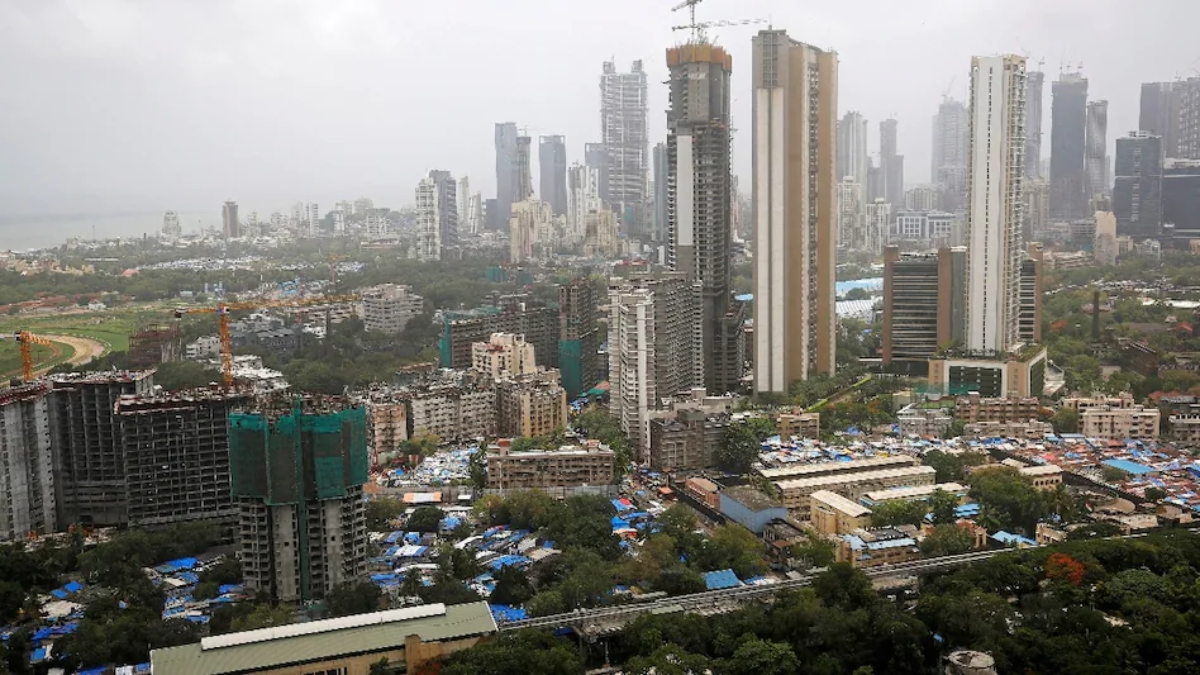
Bengaluru, April 21: Strong local factors such as job growth, infrastructure development, and steady homebuyer demand are helping the market stay resilient despite global challenges.
Impact on NRI Investment
Saurabh Garg, co-founder and CBO of NoBroker: "Since the onset of unrest in the region, demand from Middle Eastern investors has fallen by approximately 50%. However, given that local Dubai properties may not yield higher returns in the coming years, the strong growth in the Indian market is likely to attract more investment."
End-User Demand Remains Resilient
Priyanka Raju, director of Kalyani developers: "Bengaluru recorded 61,000 new residential unit launches in 2025, with sales volumes holding firm even amid global uncertainty. The city's housing market continues to be driven by local fundamentals such as IT sector growth, GCCs, infrastructure expansion, and rising urban migration."
Evolving Investment Patterns
-
NRI buyers (Middle East): Showing greater interest in Bengaluru's residential projects as a safe and stable investment option
-
Foreign institutional investors: Adopting a more cautious approach, waiting for clarity on global economic trends
Construction Cost Pressures
Nesara BS, chairman of Concorde: "Construction costs have seen an increase in the range of 5 to 10 percent across key inputs and labour. The impact is more pronounced on the supply side – upward pressure on input costs (steel, cement, logistics) driven by global supply chain disruptions and higher fuel prices. There are also intermittent challenges related to labour availability."
Mitigation Strategies
Developers are actively mitigating risks through:
-
Advanced procurement strategies
-
Stronger vendor partnerships
-
Increased adoption of mechanisation
Outlook
While demand remains stable, there has been some moderation in transaction velocity in select micro-markets. Experts describe these trends as cyclical in nature, not indicating any structural weakening of demand.