
Relief for Ulhasnagar Residents as State Starts to Regularise Homes
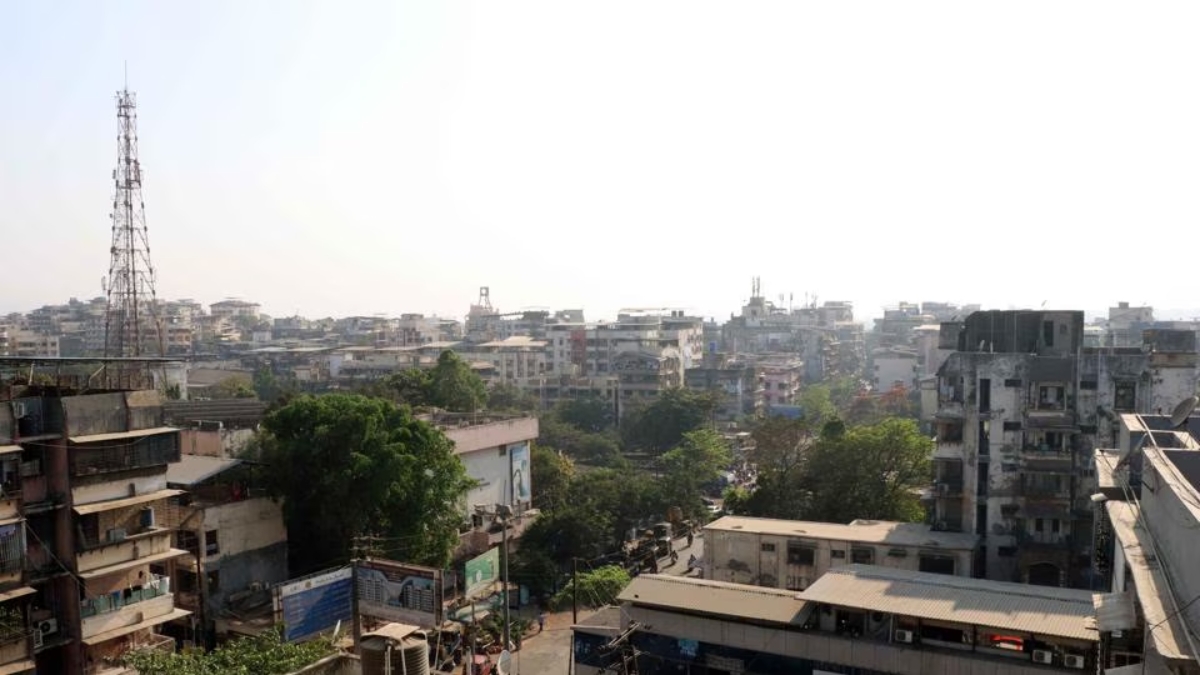
Mumbai, May 18: Thousands of Ulhasnagar families may get legal ownership of homes built before 2011 as Maharashtra starts a major regularisation process. A special review committee has been formed to speed up approvals.
Regularisation Policy
The government recently decided to regularise residential encroachments that existed on or before January 1, 2011, by invoking provisions under the Maharashtra Land Revenue Code, 1966. The policy aims to provide long-awaited legal recognition to poor and needy citizens occupying residential structures built before the cut-off date.
Special Review Committee
A special review committee has been constituted for the 141 Ulhasnagar assembly constituency, with MLA Kumar Ailani appointed as its chairman. The committee includes the Ulhasnagar tehsildar, city survey officer, assistant commissioner from UMC, and a deputy engineer from MSEDCL. Sub-Divisional Officer Vijayanand Sharma has been appointed as member secretary.
MLA Statement
Ailani said the move would provide long-awaited relief to thousands of struggling families. "Many families in Ulhasnagar have spent their entire lives in these homes but continued to live without legal protection. This decision is a humanitarian step towards giving dignity and security to poor citizens. Our committee will ensure that deserving residents get justice in a transparent manner."
Impact on Residents
The decision is being viewed as major relief for lower and middle-income families who have spent decades living in uncertainty. Residents across Ulhasnagar welcomed the move, saying it could finally end years of fear of demolition. Legal recognition will provide dignity, security, and access to civic amenities including loans, redevelopment opportunities, and property documentation. The review committee will hold meetings every three months and submit detailed reports to the guardian minister and district collector.