
Income Tax Changes 2026: PAN Mandatory for Property Deals Above ₹20 Lakh from April 1
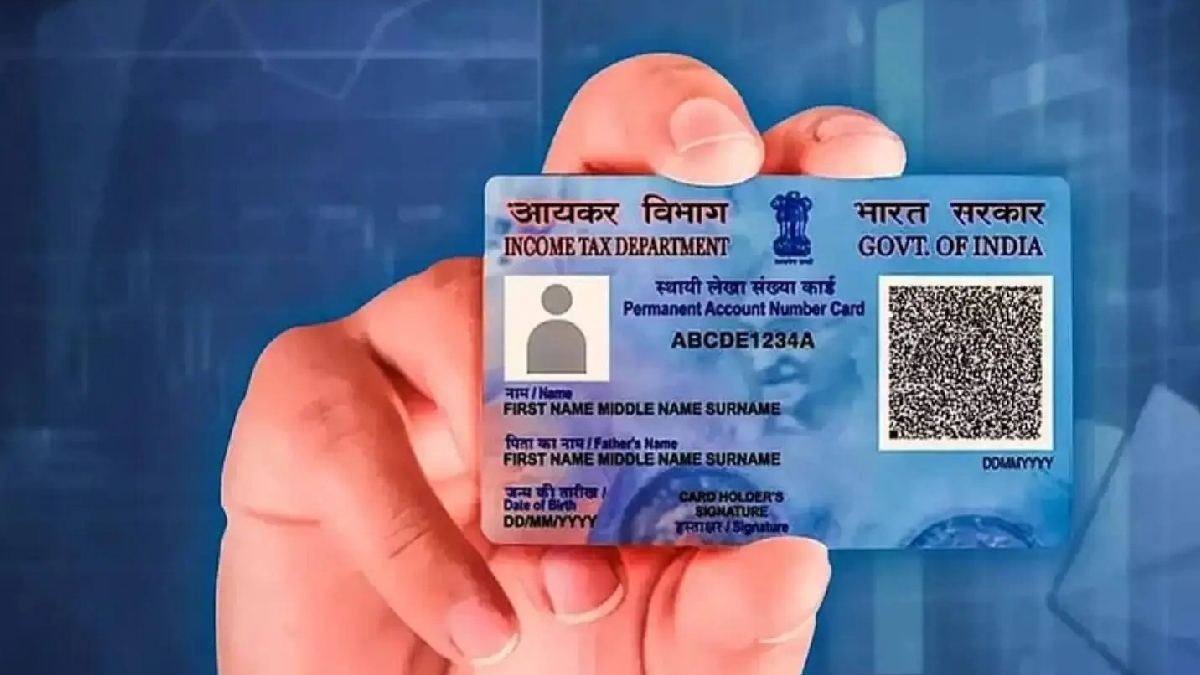
New Delhi, March 31: The Central Board of Direct Taxes (CBDT) notified the Income-tax Rules, 2026, on March 20, effective from April 1, 2026. One of the key changes for individuals is the revision of the threshold for quoting PAN in real estate transactions, which has been increased from ₹10 lakh to ₹20 lakh.
What Has Changed?
Under the earlier framework, property transactions above ₹10 lakh required both parties to quote their PAN. The new rules raise this threshold to ₹20 lakh.
Rahul Charkha, Partner at Economic Laws Practice, explained: "The new rules also broaden the compliance scope by explicitly covering property transfers through gifts and joint development agreements, subject to this revised threshold. The practical impact is significant for buyers and sellers in the segment below ₹20 lakh."
Benefits for Buyers and Sellers
For buyers, the immediate benefit is reduced paperwork at the registrar's office or with the builder. For sellers, especially senior citizens or low-income individuals disposing of small ancestral assets, the change reduces the friction of obtaining and quoting a PAN for a one-time transaction.
Important: Exemption Does Not Mean No Tax Obligation
It is crucial to note that exemption from quoting PAN does not imply exemption from tax obligations.
"Sellers are required to report any capital gains on their income tax returns. Also, both buyers and sellers must diligently maintain proper documentation to substantiate the transaction independently," said Charkha.
Best Practices to Avoid Future Tax Issues
Tusi Kumar, Partner at Singhania & Co., advised: "Even when not mandatory, voluntarily providing your PAN can help ensure accurate reporting in your Annual Information Statement (AIS) and reduce the chances of discrepancies later. It is equally important to maintain robust documentation, which includes keeping copies of PAN or Aadhaar, bank transaction records, and detailed sale agreements, even for lower-value transactions, as these can be crucial in case of scrutiny or audits."
Key Documentation to Maintain
-
PAN or Aadhaar copies of both parties
-
Bank transaction records
-
Agreement to sell and sale deed
-
Stamp duty and registration receipts
-
Municipal records and property tax receipts
-
Source of funds documentation (savings, loans, gifts with bank statements and gift deeds)
-
Sellers: Preserve records of original purchase, improvement costs, and related expenses for capital gains computation
When PAN is Mandatory
-
Property transactions (purchase or sale of land, building, or rights) exceeding ₹20 lakh
-
Property transfers through gifts and joint development agreements within this threshold
-
If the Stamp Valuation Authority (circle rate) values the property above ₹20 lakh, PAN reporting is mandatory regardless of lower actual transaction value
-
Cash deposits or withdrawals aggregating to ₹10 lakh or more in a financial year
If PAN is unavailable, the concerned party must submit Form 60.
Additional Advice
Buyers should always verify the seller's credibility and documentation thoroughly. Ensuring a clear title and proper records can help avoid potential legal disputes or unexpected tax liabilities down the line.