
Housing Sales Cross 1 Lakh Units in Top Cities but Dip Sequentially Amid Global Uncertainty: Anarock
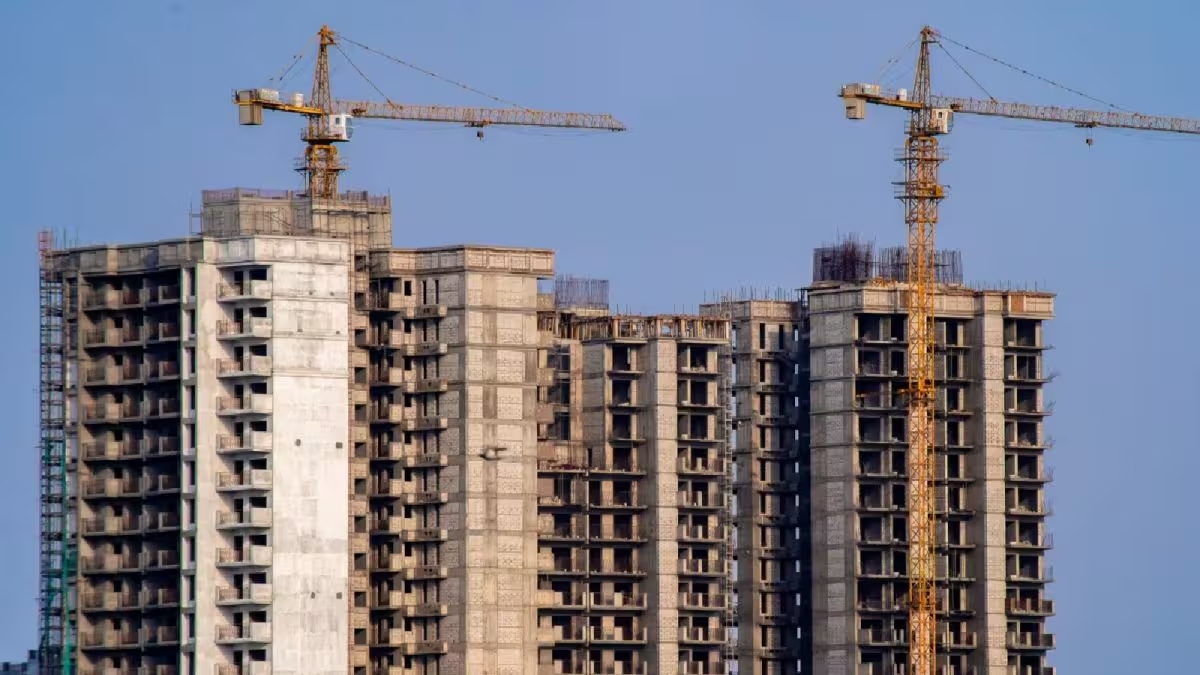
New Delhi, March 31: Housing sales across India's seven major cities reached 1,01,675 units in the first quarter of 2026, marking a 9 per cent annual increase from 93,280 units in Q1 2025, according to data released by Anarock. The growth was primarily supported by a lower base in the same period last year.
Value Growth
In value terms, the residential market also showed an upward trend, with total sales rising to approximately ₹1.51 lakh crore compared to ₹1.42 lakh crore in the corresponding period last year, reflecting a 6 per cent increase. The rise indicates sustained demand for housing, particularly in mid and premium segments across major urban markets.
Sequential Decline
Despite the annual growth, the market witnessed a slowdown on a quarter-on-quarter basis. Housing sales declined 7 per cent in volume and 6 per cent in value compared to the previous quarter, when 1,08,970 units were sold with a total value of around ₹1.60 lakh crore.
Impact of Global Uncertainty
Anuj Puri, Chairman of Anarock Group, indicated that while the long-term outlook for India's residential sector remains stable, short-term disruptions were visible during the quarter due to the ongoing conflict in West Asia. The uncertainty caused by the Iran-related tensions impacted buyer sentiment, especially towards the end of the quarter.
He further highlighted that rising oil prices and increased construction costs, particularly in the last month of the quarter, added pressure on both developers and homebuyers.
International Buyer Sentiment
Puri also pointed out that a section of international buyers, particularly from the Middle East, who have traditionally invested in Indian real estate, have temporarily held back their investment decisions due to the uncertain global environment. This pause contributed to the overall moderation in sales during the period.
Market Context
India's housing market has seen strong recovery over the past few years, driven by:
-
End-user demand
-
Improved affordability in earlier phases
-
Renewed interest in homeownership post-pandemic
However, external economic factors such as geopolitical tensions, inflation in raw materials, and interest rate movements continue to influence short-term performance.