
Mumbai Property Registrations Steady at Over 15,500 in March 2026, Stamp Duty Collections Fall 6%
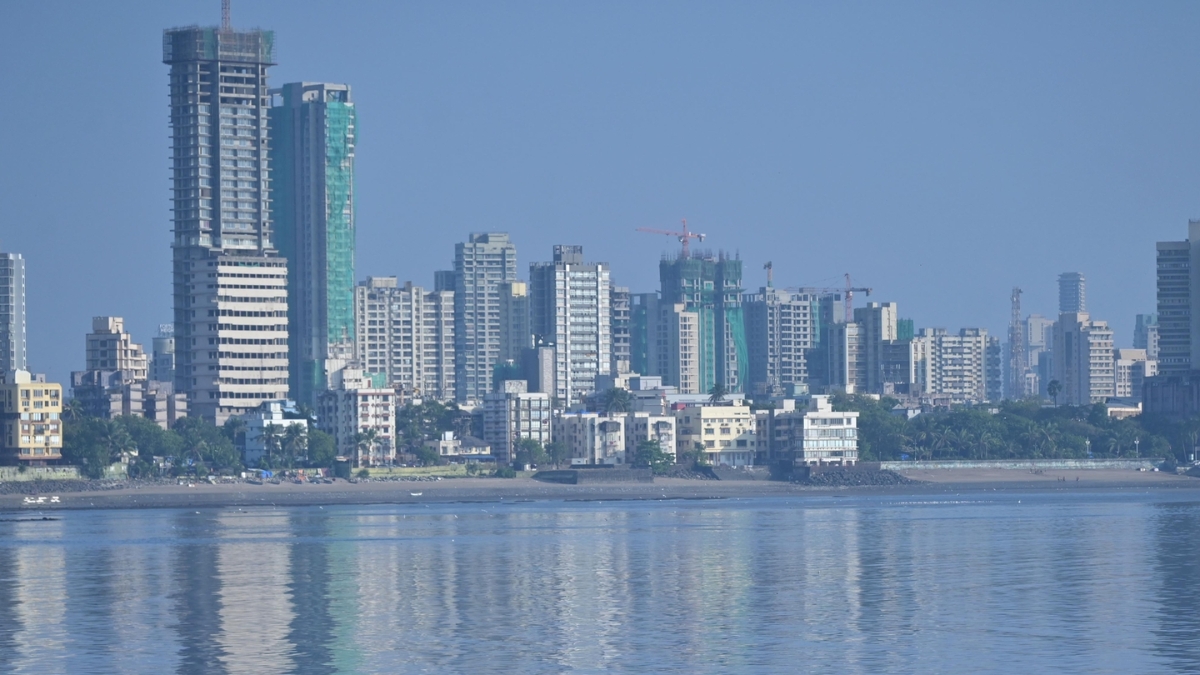
Mumbai, March 31: Mumbai's residential market demonstrated resilience in March 2026, with property registrations remaining steady at elevated levels. The month recorded 15,516 registrations, marking the highest monthly registration volume for March in the past 14 years, surpassing the previous high observed in March 2025.
Key Highlights
On a year-on-year basis, registrations remained stable with marginal growth matching the elevated levels seen in March last year. Stamp duty collections, however, were lower by 6 per cent year-on-year, primarily reflecting a shift in transaction mix.
On a sequential basis (compared with February 2026), activity strengthened notably as the financial year drew to a close. Registrations rose 19 per cent month-on-month, while stamp duty collections increased by 32 per cent month-on-month.
Residential Properties Dominate
Among total property registrations, residential properties continued to dominate, accounting for nearly 80 per cent of all registrations.
Shift Toward Mid-Segment
The Mumbai real estate market witnessed a clear shift toward the mid-segment in March 2026:
-
Properties priced between ₹1–2 crore increased their share to 38 per cent from 32 per cent a year earlier
-
The sub-₹1 crore segment declined from 46 per cent to 39 per cent
-
₹2–5 crore and ₹5 crore+ categories held steady at 17 per cent and 6 per cent respectively
This suggests that the expansion in transaction values is being driven by upgradation within the mid-income bracket rather than a broad-based shift toward premium housing.
Size Preferences
Apartments up to 1,000 sq ft continued to dominate registrations, accounting for 85 per cent of total transactions:
-
The 500–1,000 sq ft segment increased its share to 47 per cent from 44 per cent a year earlier
-
Units below 500 sq ft saw a marginal decline from 40 per cent to 38 per cent
-
Larger unit categories remained broadly stable
This trend indicates a gradual shift toward slightly larger, more functional homes, as buyers look to balance affordability with improved living standards.
Western Suburbs Dominate
The western suburbs further strengthened their dominance, with their share increasing to 56 per cent from 49 per cent a year earlier, reinforcing their position as Mumbai's most active housing corridor.
The Central Suburbs saw a moderation in share to 32 per cent from 35 per cent, while core city markets (South Mumbai and Central Mumbai) witnessed a decline in share to 6 per cent each, reflecting relatively higher price points and limited supply.
Expert View
Shishir Baijal, International Partner, Chairman and Managing Director at Knight Frank India, said: "Mumbai's residential market has demonstrated notable growth with March 2026 registrations surpassing last year's already elevated base to record the strongest March in over a decade. This growth reiterates the depth of end-user demand in the city, supported by stable economic conditions and sustained buyer confidence. The momentum is particularly evident in the mid-income segment, where aspiring homeowners are actively upgrading to better quality housing within accessible price bands."
"While variations in stamp duty collections reflect a shift in ticket size mix, the steady rise in transaction volumes highlights a structurally healthy market. We hope this demand-led trajectory continues in the near term, anchored by favourable fundamentals and Mumbai's enduring appeal as a residential destination," Baijal added.