
Delhi Allows Provisional NOC at 25% Infrastructure Charges to Ease Project Approvals
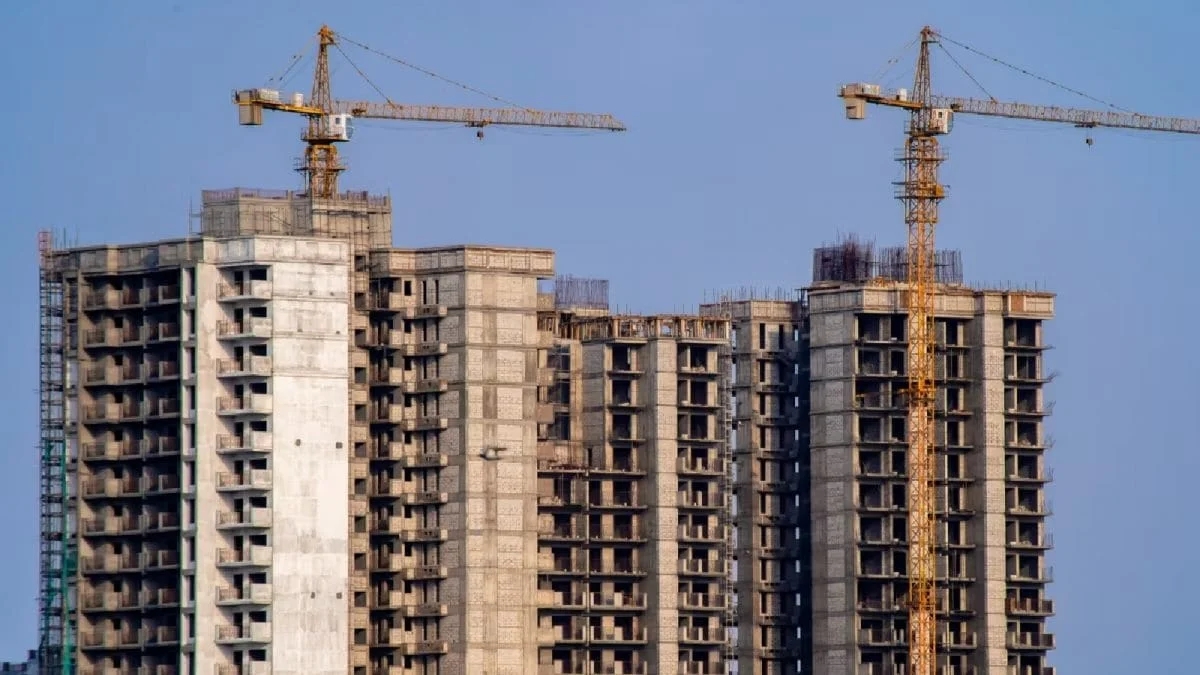
New Delhi, March 25: In a major move to simplify the approval process and reduce the financial burden on developers and property owners, the Delhi government has introduced a new mechanism for obtaining a provisional No Objection Certificate (NOC). Under the revised system, applicants can now secure a provisional NOC by paying only 25% of the applicable infrastructure charges upfront.
The decision, implemented through the Delhi Jal Board (DJB) , is designed to address long-standing industry concerns over high initial costs that have been slowing down construction and redevelopment projects across the city.
Key Highlights of the New NOC Regime
| Feature | Details |
|---|---|
| Upfront Payment | 25% of total infrastructure charges |
| Balance Payment | Remaining 75% payable at final approval stage (when water/sewer connections are granted) |
| Exemption | Properties up to 200 sq. m. remain fully exempt from infrastructure charges |
| Objective | Reduce cash flow pressure, expedite project timelines, unblock stalled projects |
| Estimated Cost Reduction | 50% to 70% reduction in initial financial burden for larger projects |
How the New System Works
Under the revised framework, applicants can obtain a provisional NOC at the building plan approval stage with a partial payment of just 25% of the total infrastructure charges. The remaining 75% will be deferred and adjusted at the time of final approval, specifically when water and sewer connections are granted. This structure allows projects to commence without the need for full upfront payment, which was previously a significant hurdle.
Officials noted that the earlier requirement of full upfront payment often created cash flow challenges, particularly for small developers and individual property owners. By reducing the initial financial outlay, the government aims to make the approval process more practical and improve overall compliance.
Background: Addressing Steep Cost Hikes
The move comes after persistent concerns raised by developers and property owners regarding the sharp increase in infrastructure charges in recent years. A change in the calculation methodology—shifting from an occupancy-based model to a floor-area-based model—had led to cost escalations of five to ten times in certain cases.
This steep rise had resulted in significant delays in construction activity and adversely impacted redevelopment projects across several parts of the national capital. Many projects remained stalled as developers struggled to arrange the high upfront payments required to secure approvals.
Benefits for Redevelopment and Stalled Projects
The revised payment structure is expected to provide a substantial boost to the real estate sector. Industry experts believe the decision will unlock a number of stalled projects that were awaiting approvals due to prohibitive costs. The relief is particularly significant for redevelopment projects in older colonies, where compliance with infrastructure norms is mandatory before construction can proceed.
-
For Small Developers: Reduced upfront costs ease liquidity constraints and allow projects to commence sooner.
-
For Individual Property Owners: The provisional NOC mechanism simplifies the approval process for home construction and renovation.
-
For Redevelopment Projects: Projects in established urban areas can now move forward without prohibitive initial payments.
Estimated Cost Reduction
While properties up to 200 square metres remain fully exempt from infrastructure charges, larger plots stand to benefit significantly from the new structure. Estimates suggest that the overall financial burden for certain projects could see a reduction of approximately 50% to 70%, depending on the project size and usage category.
Broader Implications for Ease of Doing Business
This initiative is part of a broader strategy by the Delhi government to improve the ease of doing business in the city's real estate sector. By simplifying procedures and reducing delays in approvals, the government aims to encourage faster execution of housing and construction projects.
The decision reflects an understanding of the financial pressures faced by stakeholders in the construction industry and is expected to give a much-needed fillip to urban development activities across Delhi. By easing financial pressure at the initial approval stage, the government hopes to accelerate project timelines and boost overall construction activity in the capital.