
MMRDA Model Draws Interest from Andhra Pradesh Urban Development Authorities
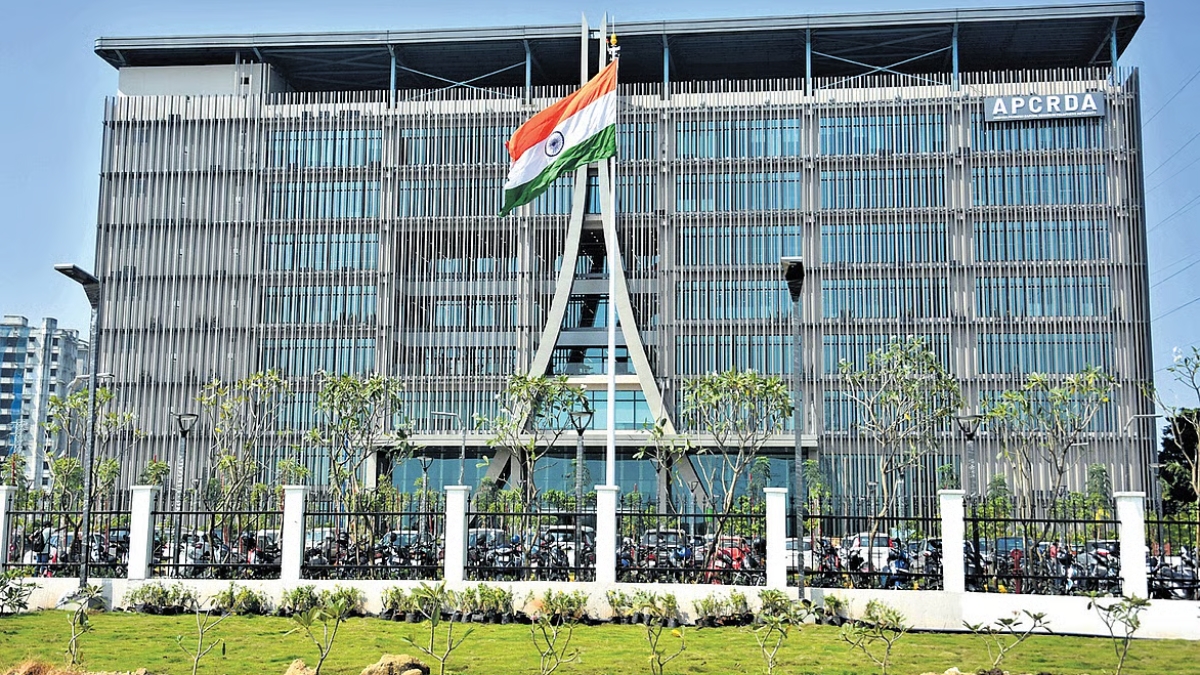
Mumbai, April 20: The visit formed part of a structured exposure programme designed to help officials understand metropolitan-scale planning, institutional systems, and infrastructure execution frameworks adopted across the Mumbai Metropolitan Region.
Key Discussion Points
-
Strong land records and effective application of Development Control Regulations
-
Urban finance capability, asset mapping, and data-driven decision-making
-
Discounted cash flow-based project structuring
-
Structured land monetisation methods
-
Revenue-sharing arrangements and public-private partnership (PPP) models
MMRDA's Development Framework
Dr. Sanjay Mukherjee, IAS, Metropolitan Commissioner of MMRDA, explained the core elements of the authority's development framework, highlighting the importance of integrated regional planning across the Mumbai Metropolitan Region (spanning over 6,000 sq km).
MMRDA shared details of its transport-led development model , including:
-
An extensive metro network
-
More than 200 km of planned and ongoing tunnel infrastructure
Andhra Pradesh Delegation's Objective
The initiative is linked to a broader capacity-building exercise led by the Department of Municipal Administration and Urban Development of Andhra Pradesh for its Urban Development Authorities, focusing on improving understanding of urban governance systems, project financing methods, land administration practices, and large-scale infrastructure delivery mechanisms.
Significance
The delegation examined MMRDA's broader institutional approach, noting how it integrates planning systems, financing structures, and execution frameworks. The model is increasingly being studied by other states as part of a wider shift towards system-driven urban development approaches rather than isolated project execution.