
Uttar Pradesh Cabinet Clears Major Reforms: Single-Window Land Conversion, Wastewater Policy, and Rs 300 Crore Heritage Road
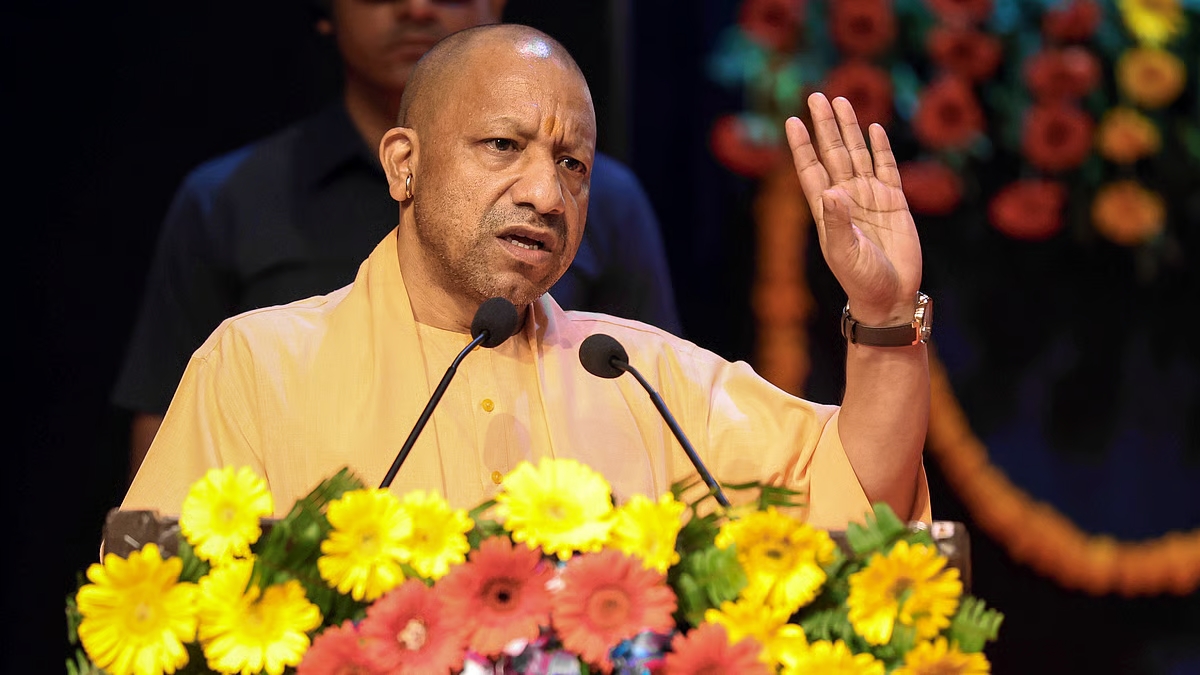
Lucknow, March 24, 2026 – In a significant push to streamline governance and boost economic activity, the Uttar Pradesh cabinet convened on Monday to approve a series of landmark decisions. The key reforms include the simplification of land-use conversion laws, a comprehensive policy for wastewater management, and the allocation of substantial funds for the development of religious infrastructure in Sambhal.
Single-Window Clearance for Land Conversion and Building Plans
In a move set to drastically reduce bureaucratic red tape, the cabinet approved an ordinance amending Section 80 of the Uttar Pradesh Revenue Code, 2006. The reform targets areas falling under development authorities, industrial authorities, regulated zones, and the UP Housing and Development Board.
Finance Minister Suresh Khanna explained that the new system eliminates the existing dual-process requirement. Previously, investors and citizens were required to apply separately for land-use conversion (shifting land from agriculture to non-agriculture use) and subsequently for building plan approval. This often resulted in significant delays.
Under the newly approved framework, the approval of a building plan by the concerned authority will automatically constitute the deemed conversion of land use. Officials noted that this integrated approach is expected to enhance transparency, reduce procedural complexities, and provide significant relief to the public. The government anticipates that this simplification will serve as a catalyst for attracting investment, accelerating industrial establishment, and sustaining industrial momentum across the state.
Policy to Recycle Wastewater and Conserve Drinking Water
Addressing the growing demand for water resources, the cabinet also greenlit a pioneering policy focused on the treatment and reuse of wastewater generated from households and industries.
Citing increasing demand across irrigation, domestic, industrial, and energy sectors, Finance Minister Khanna outlined a phased implementation strategy. The policy prioritizes the safe utilization of water treated at Sewage Treatment Plants (STPs) and Faecal Sludge Treatment Plants (FSTPs).
-
Phase 1: Treated water will be utilized by urban local bodies for construction activities, gardening, and irrigation.
-
Phase 2: Usage will be expanded to industrial corridors, agricultural zones, and railway establishments.
-
Phase 3: A dual-pipe system will be introduced in residential areas to supply non-potable treated water to households for secondary uses, significantly reducing the strain on fresh drinking water sources.
Infrastructure Boost for Sambhal’s 24 Kosi Parikrama
In a decision aimed at preserving cultural heritage and improving amenities for pilgrims, the cabinet sanctioned over Rs 300 crore for the construction of a 7-kilometer road along the 24 Kosi Parikrama route in Sambhal.
The Parikrama, a sacred circumambulation held monthly at the Vanshgopal Tirth, has historically been challenging for devotees due to the lack of a proper paved road (pucca road). The new project will address these infrastructure gaps, facilitating easier access for pilgrims and enhancing the overall experience of the religious circuit.