
Dubai Property Market Shows Early Signs of Cooling as Geopolitical Tensions Reshape Investor Sentiment
March 24, 2026 – Dubai’s once-booming real estate market is beginning to show early signs of softening as escalating geopolitical tensions in the region weigh heavily on transaction volumes and investor confidence. Market data and industry inputs over the past week indicate a notable shift in momentum, with selective price corrections emerging and buyer caution becoming increasingly pronounced.
The developments come against the backdrop of heightened conflict involving the United States, Israel, and Iran, which has introduced a fresh layer of uncertainty into a market that has enjoyed sustained growth for nearly half a decade.
Sharp Decline in Transaction Volumes
Analysts tracking the UAE property sector have reported a significant slowdown in transaction activity. Preliminary estimates indicate that deal volumes in early March registered a 37 per cent year-on-year decline, alongside a sharper 49 per cent drop compared to the previous month. The total value of completed transactions has also seen a marked reduction relative to February, pointing to a deceleration in deal closures across residential and commercial segments.
The slowdown appears most pronounced in the secondary market, where transaction cycles have lengthened as buyers adopt a wait-and-see approach amid heightened regional instability.
Seller Discounts Emerge in Prime Locations
In response to shifting market dynamics, some sellers have begun offering price reductions to expedite sales. Industry participants have reported instances of discounts ranging between 12 per cent and 15 per cent, particularly in high-value premium locations that have long been considered resilient.
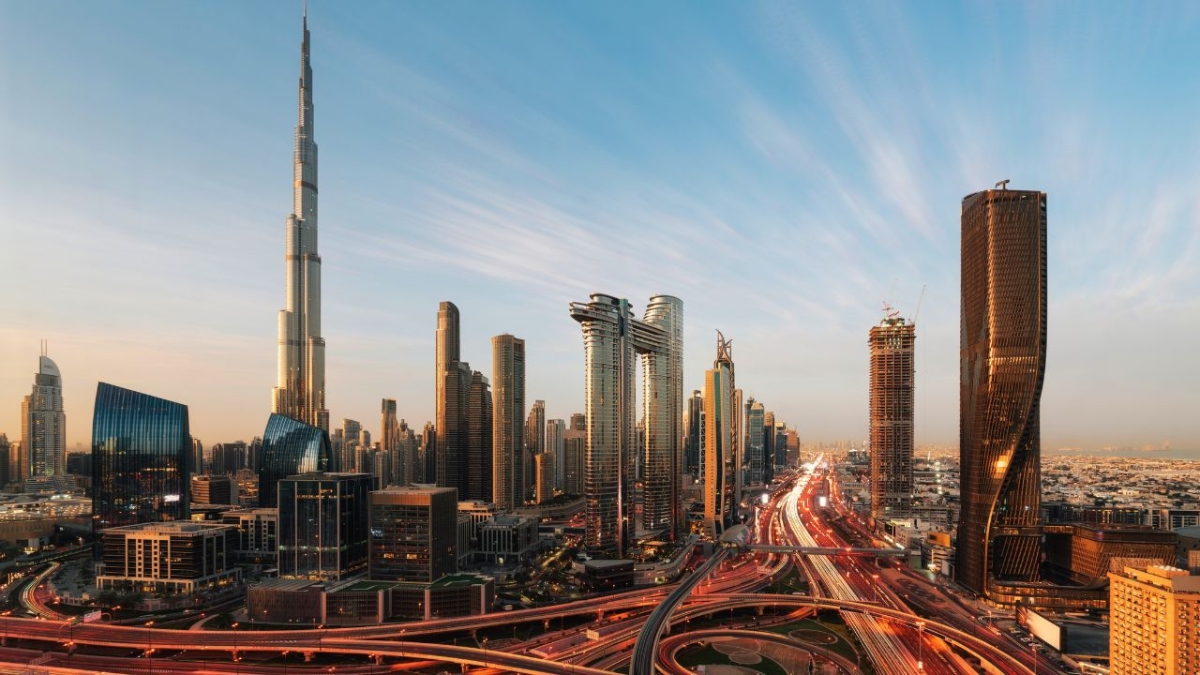
Notably, properties in the vicinity of Burj Khalifa—the world’s tallest tower—and exclusive waterfront developments such as Palm Jumeirah have seen selective price adjustments. These reductions appear to be driven by sellers seeking liquidity or looking to exit positions ahead of potential further market cooling.
A Test for Dubai’s Global Capital Appeal
The current phase is widely viewed as a critical test for Dubai’s positioning as a preferred destination for international capital. Over the past five years, the emirate’s property market has been propelled by robust inflows of high-net-worth individuals drawn by favorable tax policies, streamlined visa regimes, and lifestyle amenities.
However, analysts caution that ongoing geopolitical tensions could temper future demand, particularly if migration trends slow and investor risk appetite diminishes. Population growth—a key driver of housing demand—may moderate in the near term, potentially exerting additional pressure on rental and sales markets.
In downside scenarios, market observers suggest that property prices could witness a gradual correction over the next two to three years, marking a departure from the strong upward trajectory seen in recent periods.
Developer Stocks Reflect Cautious Sentiment
The shift in sentiment has also been reflected in equity markets. Shares of major developers, including Emaar Properties, have registered declines since the escalation of the conflict, mirroring broader investor concerns about the near-term outlook for the real estate sector.
Despite these headwinds, median transaction prices have remained relatively stable, with only a marginal year-on-year decrease recorded. This suggests that while activity has slowed, broad-based price corrections have not yet materialized across the market.
Selective Demand Persists Amid Volatility
Industry executives note that while transaction volumes have contracted, market activity has not ground to a halt. Investors continue to evaluate opportunities, with particular interest in assets being offered at discounted valuations. International investors and family offices, in particular, are actively scouting for distressed or below-market deals.
High-value transactions have continued to close during this period, especially in the luxury segment. Developers report that demand for premium and branded residences remains intact, supported by long-term investment considerations rather than short-term speculative interest.
Market Transition Underway
The emerging trends point to a shift in market dynamics—from the high-growth, exuberant environment of recent years to a more measured and cautious phase. Sellers are increasingly willing to negotiate on price, while buyers are exercising greater discretion.
The extent and duration of the current softening will ultimately depend on the trajectory of geopolitical developments and their broader impact on regional stability, capital flows, and investor confidence. For now, Dubai’s property market appears to be navigating a transitional period, balancing its long-term structural strengths against a complex and evolving external environment.