
Haryana Clears Mixed Land Use Policy, Paves Way for Pending Projects
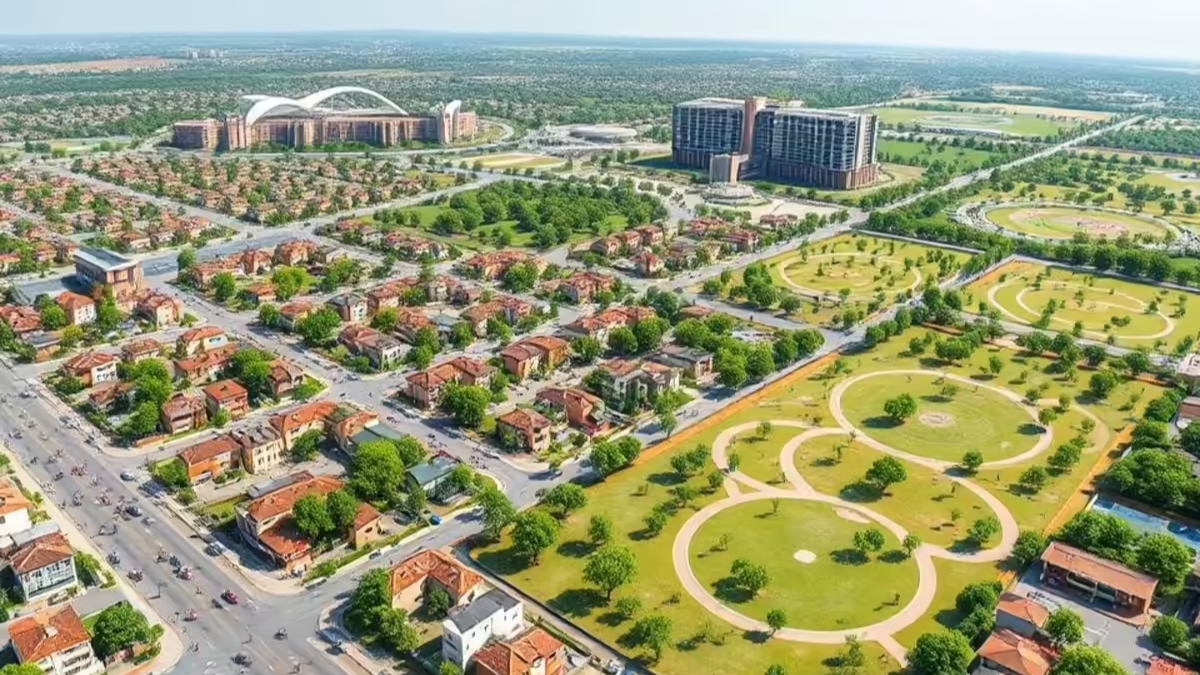
Chandigarh, March 25: In a significant development aimed at streamlining urban development and unblocking stalled real estate projects, the Haryana cabinet on Tuesday approved a comprehensive policy to regulate the utilisation of land earmarked for Mixed Land Use (MLU) in development plans.
The decision brings much-needed clarity to a long-pending issue, as the absence of defined usage proportions had previously led to project delays and approval bottlenecks. The new policy is set to provide a clear framework for developers and property owners, facilitating faster clearances and planned urban growth.
Clarity on Usage Proportions
Mixed Land Use zones are areas designated in development plans where multiple activities—such as residential, commercial, institutional, and in some cases industrial—can coexist. However, the absence of clearly defined usage proportions had created confusion, resulting in stalled approvals and project delays.
Under the newly approved policy, residential, commercial, and institutional activities will now be permitted without any fixed percentage cap. This flexibility is subject to compliance with existing zoning regulations and planning norms, allowing developers to optimize land use based on market demand and project requirements.
Industrial Use Restrictions and Conversion Options
For industrial activities within mixed land use zones, the policy takes a more restrictive approach. Industrial use will be limited to existing levels, with no further expansion permitted. However, the policy provides an important flexibility: owners of land currently under industrial use may convert such land to other permitted uses—such as residential, commercial, or institutional—in accordance with the policy norms.
This provision is expected to encourage the repurposing of underutilized industrial land in urban areas, aligning with broader urban renewal objectives.
Mandatory 70:30 Ratio for Primary and Allied Uses
To ensure that mixed-use developments maintain a clear primary identity, the policy mandates that all mixed-use projects adhere to a 70:30 ratio. Under this framework, at least 70 per cent of the project area must be dedicated to the primary use—for example, residential in a primarily residential MLU zone—while up to 30 per cent may be allocated to allied uses such as commercial or institutional.
The policy also allows the allied use component to be reduced to as low as 7.5 per cent, providing flexibility for projects that require a smaller ancillary component.
Impact on Pending Projects
The new policy is expected to provide immediate relief to numerous real estate projects that had been awaiting approval due to the lack of clear MLU guidelines. Developers and property owners can now proceed with their plans under a transparent regulatory framework.
Industry stakeholders have welcomed the move, noting that it strikes a balance between development flexibility and planned urban growth. By removing fixed percentage caps for residential and commercial uses while maintaining controls on industrial expansion, the policy supports the evolution of urban centers while preventing haphazard industrial proliferation.
Broader Implications for Urban Development
The approval of the Mixed Land Use policy is part of the Haryana government's broader efforts to improve the ease of doing business and streamline urban planning processes. By providing regulatory certainty, the policy is expected to accelerate project approvals and construction timelines, enhance land utilization efficiency in urban areas, support the development of integrated, walkable neighborhoods, and provide clarity for investors and developers operating in the state.
With this policy now in place, stakeholders can expect faster clearances for mixed-use developments, contributing to the continued growth of Haryana's urban landscape.