
India Plans Special NCLT Bench for Cross-Border Insolvency Cases to Speed Up Resolutions
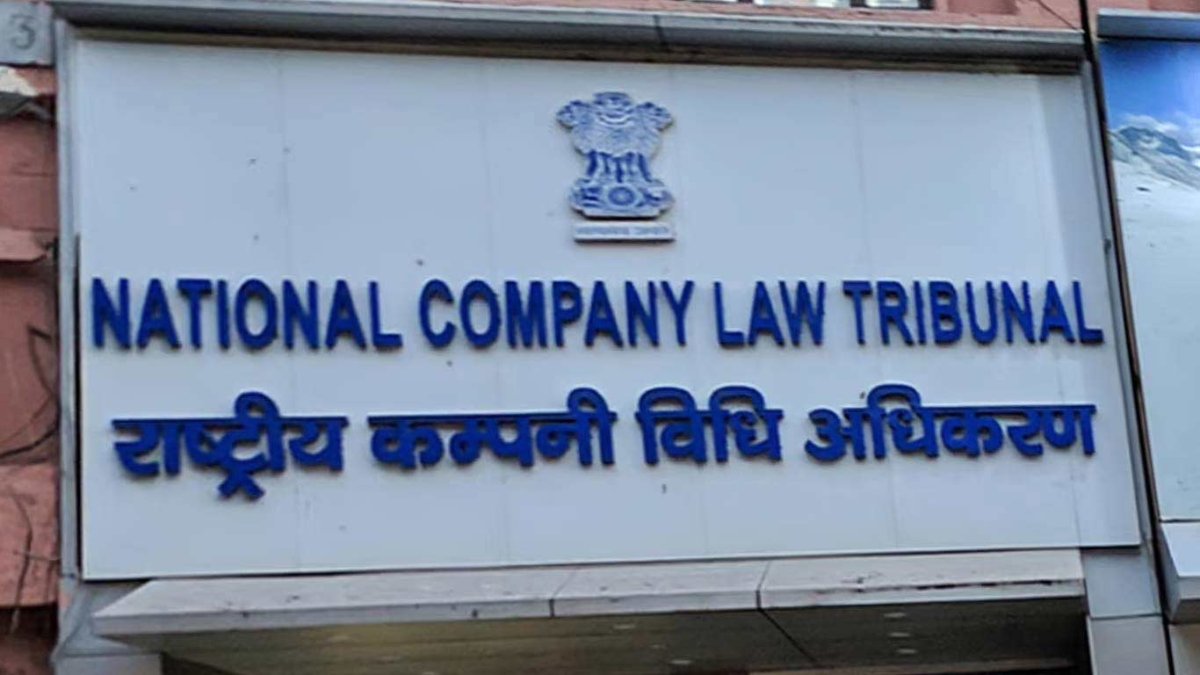
New Delhi, April 17: The cross-border framework, approved last month as part of amendments to the Insolvency and Bankruptcy Code (IBC), will be based on a model UN law with modifications to suit the Indian context.
Need for the Framework
The need emerged during bankruptcy proceedings involving Amtek Auto, Videocon Industries, Essar Steel, and Jet Airways , where issues such as asset location and complex cross-border procedures delayed resolution.
Key Features
-
Enables easier access for creditors to overseas assets of stressed companies
-
Allows India to seek cooperation from foreign courts to bring such assets under insolvency proceedings
-
Every draft rule must be laid before each House of Parliament (parliamentary oversight)
Special NCLT Bench
-
Will have members trained in cross-border insolvency resolution
-
Necessary for time-bound insolvency proceedings
-
Prevents situation where foreign adjudicating authority moves fast while India lags
UN Model Framework
The United Nations Commission on International Trade Law (UNCITRAL) model law for cross-border insolvency resolution has been adopted by more than 50 jurisdictions , based on principles of:
-
Access to foreign and domestic courts
-
Recognition of foreign proceedings
-
Cooperation between courts
-
Coordination of multiple concurrent insolvency proceedings
Expert View
Yogendra Aldak, executive partner at Lakshmikumaran & Sridharan attorneys, said: "A special bench will result in faster resolution of cross-border insolvency cases. This will brighten the chances of recovery for creditors as well."
Background
Earlier, the IBC provided for cross-border insolvency through bilateral agreements and letters of request under Section 234, but this mechanism was ad hoc and prone to delays and uncertainty.