
Pimpri Chinchwad Civic Body Collects ₹80 Crore via Amnesty Scheme, Yet Set to Miss Property Tax Target
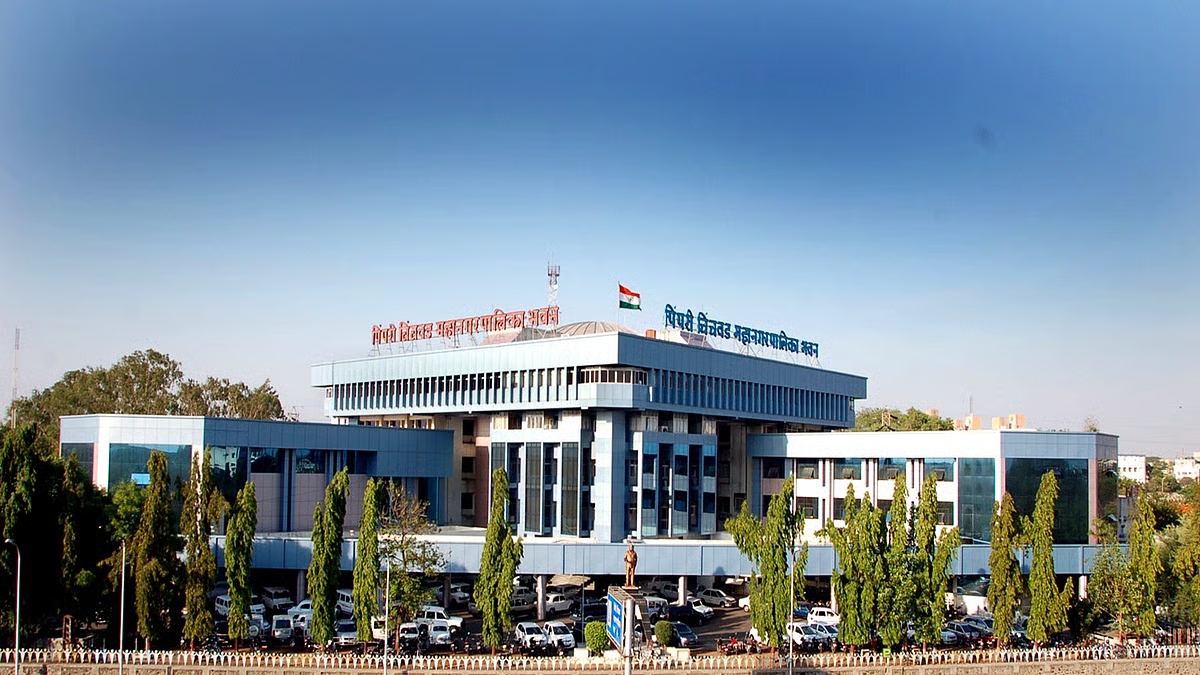
Pune, March 24, 2026 – The Pimpri Chinchwad Municipal Corporation (PCMC) has witnessed a strong initial response to its newly launched property tax amnesty scheme, collecting nearly ₹80 crore within the first 20 days of its implementation. However, despite this late surge, the civic body is projected to fall short of its ambitious ₹1,000 crore collection target for the current financial year, with officials conceding that overall revenues may not even match last year's figures.
The amnesty scheme, which offers a substantial 90 per cent waiver on penalties for property tax defaulters, was introduced on March 1 and remains open until March 31. The benefit is exclusively available to taxpayers who clear their outstanding dues in a single lump sum payment during this window.
Strong Response, But Overall Collections Lag
According to data shared by civic officials, the PCMC has accumulated approximately ₹830 crore in property tax revenue during the ongoing financial year. Of this, nearly ₹80 crore has been collected in the last 20 days alone, driven entirely by the amnesty scheme. The administration has waived off penalties totaling ₹19.15 crore under the initiative, reflecting the scale of concessions extended to defaulters.
While the scheme has provided a noticeable late-stage boost, officials acknowledge that the overall collections are unlikely to reach the ₹1,000 crore target set for the fiscal year. Comparative data underscores the challenge: in the 2024-25 financial year, the civic body recorded property tax revenue of ₹966 crore, while the 2023-24 fiscal saw collections of ₹977 crore.
The current year's performance, even with the amnesty-driven surge, is expected to trail both these figures, signaling a concerning trend for the municipal corporation's revenue health.
First-Time Amnesty Initiative
The PCMC introduced the amnesty scheme for the first time following persistent demands from corporators during the first general body meeting of the municipal corporation. Elected representatives had argued that such a measure would help unlock stuck revenue and provide relief to residents burdened by accumulated penalties.
The decision was also influenced by a noticeable dip in property tax collections during the 2024-25 financial year, prompting the civic administration to explore innovative mechanisms to improve compliance and liquidity.
Civic Leadership Urges Defaulters to Avail Benefit
Mayor Ravi Landge emphasized that the enthusiastic response to the scheme reflects growing trust between the administration and residents. He noted that the initiative is designed to offer meaningful relief by substantially reducing the penalty component on pending property tax dues.
"The scheme aims to provide relief to citizens by offering concessions on the penalty charged for pending property tax. Citizens who still have outstanding property tax dues are urged to avail of the scheme before the March 31 deadline," Landge said.
Broader Implications for Civic Finances
The property tax shortfall comes at a time when urban local bodies across Maharashtra are under pressure to strengthen their revenue streams amid rising expenditure demands. For PCMC, which serves a rapidly growing industrial and residential belt adjacent to Pune, consistent property tax collection is critical for funding infrastructure projects, civic services, and development works.
The amnesty scheme has succeeded in mobilizing immediate revenue and clearing a portion of pending dues, but the overall collection trajectory suggests deeper structural challenges in tax compliance and assessment efficiency that may require longer-term reforms.
With only a few days remaining in the financial year, civic officials are hopeful that last-minute payments under the scheme will further bolster the total, though the gap to the ₹1,000 crore target appears insurmountable at this stage.