
Bihar Cities to Transform: FAR to Double, High-Rise Buildings to Boost Real Estate Boom
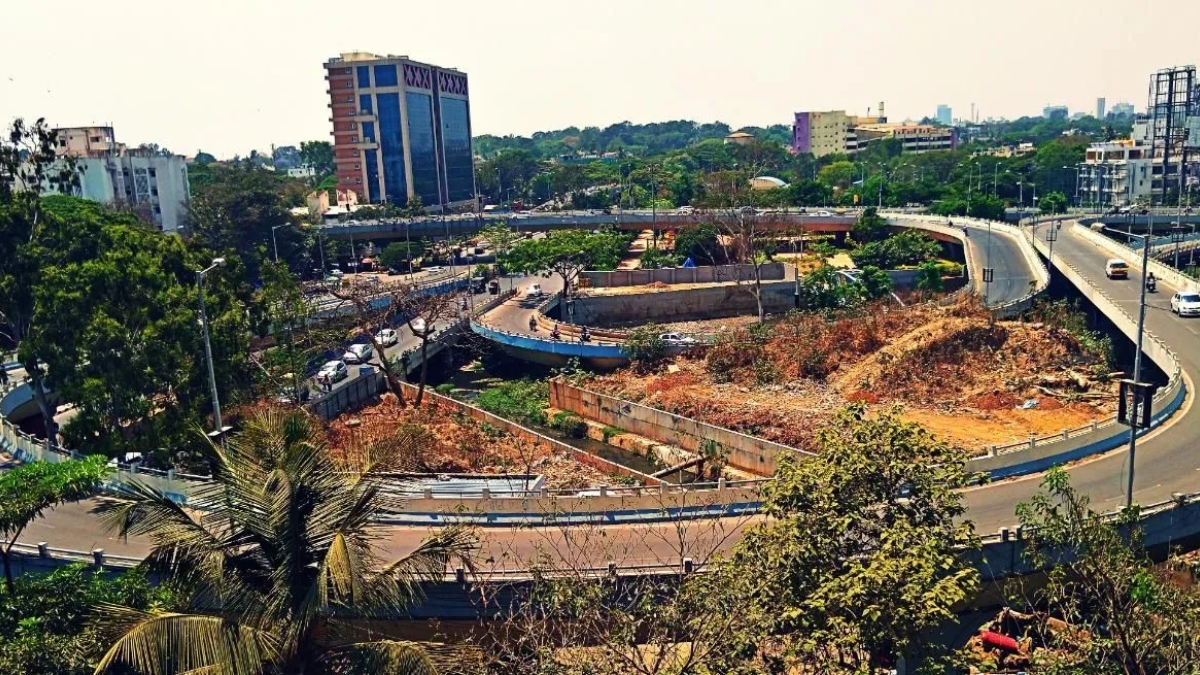
Patna, March 27: In a major move set to transform the urban landscape of Bihar, the state government is proposing to nearly double the Floor Area Ratio (FAR) in urban areas. The Urban Development and Housing Department is preparing amendments to the building by-laws that will allow taller and larger buildings even on limited land, addressing the growing demand for space in cities like Patna and other urban centers across the state.
Deputy Chief Minister Vijay Kumar Sinha informed that the proposal to increase FAR has been prepared at the department level and will soon be sent to the state government for approval. Once approved, it will be implemented across all municipal bodies in Bihar.
Current and Proposed FAR
Currently, the FAR in urban areas of Bihar ranges between 2.5 and 3.0. The new proposal aims to increase this to between 5.5 and 6.0, representing a nearly two-fold increase. This change would have a significant impact on real estate development across the state.
To understand the impact: if 20 flats are currently being constructed on a piece of land under the existing FAR, the same land could accommodate 35 to 40 flats under the proposed FAR. This would allow developers to optimize land utilization while helping address the housing shortage in urban areas.
Special Focus on Commercial Areas
The proposal envisions a more significant increase in FAR for commercial areas, recognizing the need for greater density in business districts. This move is expected to:
-
Enable larger commercial developments in prime locations
-
Attract investment in retail, office, and mixed-use projects
-
Support the growth of organized commercial spaces in cities
Setback Norms Relaxed for Commercial Buildings
In a parallel reform, the department has eased setback requirements for commercial buildings across the state. Setbacks are the open spaces required around buildings, and reducing them allows for more efficient land use.
Under the new policy:
-
60 to 70 per cent of the land area can now be utilized for commercial building construction
-
Previously, only a maximum of 40 per cent of the land could be used for building construction
-
This change effectively increases the permissible built-up area for commercial projects
Addressing Urban Challenges
The reforms come in response to the growing pressure on land in Bihar's urban areas. With population density increasing and available land remaining limited, the government recognized the need for policy changes that would enable vertical growth rather than horizontal sprawl.
Key objectives of the proposed amendments include:
-
Optimizing land utilization: Making the most of scarce urban land resources
-
Promoting vertical development: Encouraging high-rise buildings to accommodate growing urban population
-
Boosting real estate sector: Creating opportunities for developers and investors
-
Simplifying approvals: Streamlining the map approval and land conversion processes to make them simpler, transparent, and time-bound
Simplified Approval Processes
Alongside FAR and setback reforms, the department is also working to simplify and expedite the processes for:
-
Map approvals: Making the process more transparent and time-bound
-
Land conversion: Streamlining procedures to reduce delays in project implementation
These procedural reforms are expected to reduce bottlenecks that have historically slowed down real estate development in the state.
Impact on Real Estate and Urban Development
The proposed reforms are expected to have far-reaching implications for Bihar's real estate sector:
-
Residential sector: Developers will be able to construct more flats on the same land, potentially making housing more affordable
-
Commercial sector: Larger floor plates and higher density will attract organized retail, office spaces, and mixed-use developments
-
Urban landscape: Cities like Patna, Gaya, Bhagalpur, and Muzaffarpur could see a transformation with the emergence of high-rise buildings
-
Investment climate: Simplified approvals and development-friendly norms are expected to attract both domestic and institutional investment
Outlook
With the proposal now awaiting government approval, the real estate sector in Bihar is poised for significant growth. The doubling of FAR and relaxation of setback norms represent a paradigm shift in urban development policy, signaling the government's commitment to promoting vertical growth and addressing the housing and commercial space needs of Bihar's growing urban population.
As the reforms take effect, cities across Bihar can expect to see the emergence of taller buildings, more efficient land use, and a modernized urban landscape that meets the aspirations of the state's residents while attracting new investment into the real estate sector.