
Hedge Fund Citadel Expands Miami Focus as New York Debates Second-Home Tax
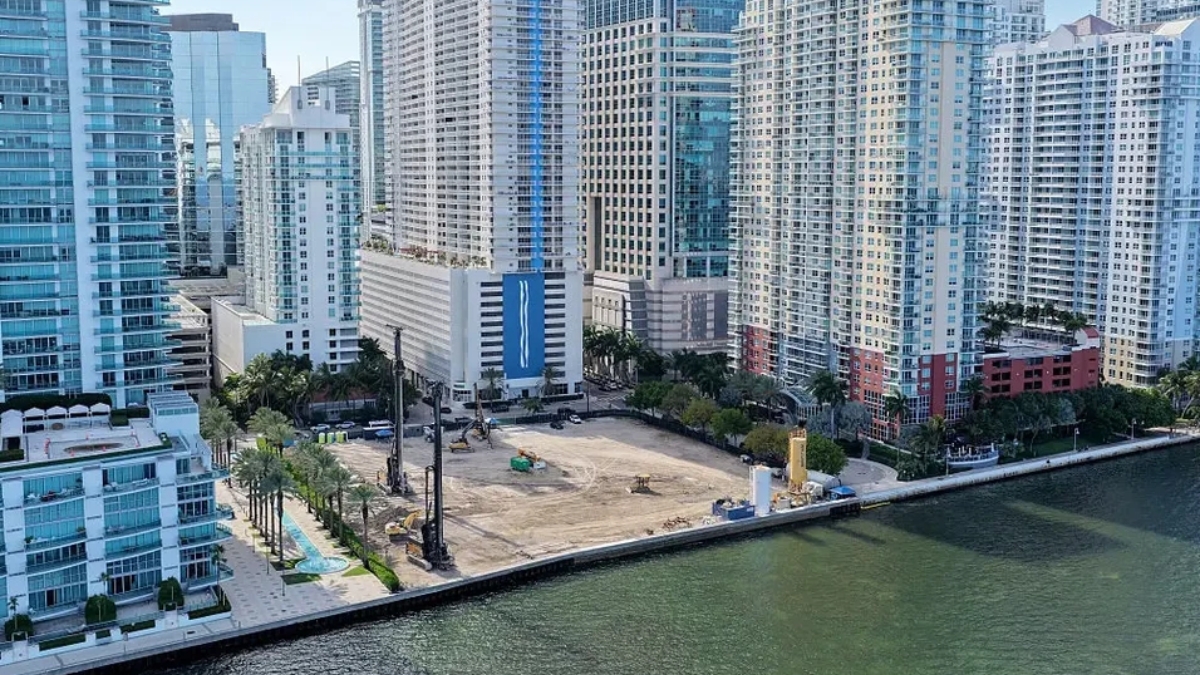
May 9: Citadel is increasing its focus on Miami operations while concerns grow over a proposed tax in New York City targeting high-value second homes. CEO Ken Griffin criticized the move, raising concerns about its impact on business sentiment.
Proposed Tax Details
The proposed tax targets second homes, including condos and co-ops valued above USD 5 million, if they are not declared as primary residences. The proposed tax is expected to impact around 13,000 properties once implemented, with lawmakers currently evaluating valuation methods to meet a projected revenue target of USD 500 million.
Griffin's Response
The issue gained attention after New York City Mayor Zohran Mamdani released a video filmed outside Griffin's penthouse, which he purchased for USD 238 million in 2019. Griffin responded that the act felt inappropriate and suggested New York may not be welcoming towards success and enterprise. Citadel highlighted that its employees and leadership have paid nearly USD 2.3 billion in city and state taxes over the past five years.
Other Business Leaders' Concerns
Bill Ackman stated that pushing away high net-worth individuals may not help improve New York City's financial position. Barry Sternlicht pointed out that states like Florida and Texas have been focusing on infrastructure development, while others prioritize higher taxes, which could influence where companies choose to operate and create jobs.
Valuation Challenges
Real estate experts have raised concerns over valuation methods. Property taxes are traditionally based on assessed values, which often lag behind actual market prices by 10 to 30 per cent. Industry data suggests fewer than 3,000 properties may qualify under current assessed values, but when market values are considered, the number could rise to nearly 11,800 properties.