
India's Metro Boom Drives Urban Growth
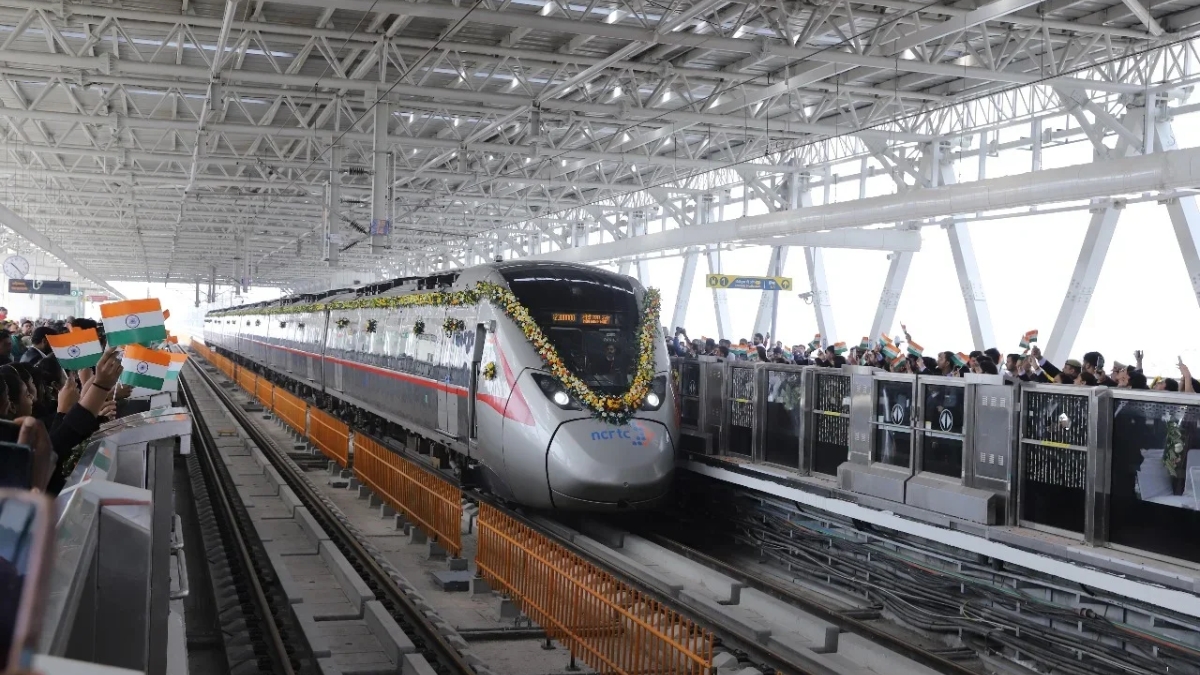
New Delhi, April 11: Metro systems are now operational across 15+ cities, including Delhi, Mumbai, Bengaluru, Chennai, Hyderabad, and Pune.
Key Metro Networks Across India
| City | Key Highlights |
|---|---|
| Delhi Metro | India's largest and most efficient metro system; connecting entire NCR region |
| Mumbai Metro | 14 planned corridors; projected coverage of over 350 km |
| Bengaluru (Namma Metro) | Connects major IT corridors (Whitefield, Electronic City) and residential zones |
| Chennai Metro | Covers key commercial and residential zones; integrated with airport and railway stations |
| Hyderabad Metro | Modern infrastructure; extensive coverage across key business districts |
| Emerging cities | Ahmedabad, Kochi, Lucknow, Nagpur, Jaipur, Pune (metro-lite and metro-neo systems) |
How Metro Connectivity is Transforming Real Estate
1. Price Appreciation Along Corridors
Properties located within 500 meters to 1 km of metro stations command premium pricing due to convenience and reduced travel time.
2. Rise of Transit-Oriented Development (TOD)
Developers are increasingly focusing on metro-linked projects, creating integrated townships with residential, retail, and commercial spaces.
3. Shift in Buyer Preferences
Homebuyers now prioritise:
-
Proximity to metro stations
-
Reduced commute time
-
Access to business hubs
4. Boost to Peripheral Areas
Metro expansion is unlocking new micro-markets in suburban and peripheral zones, making them viable for both residential and commercial investments.
Drivers of Metro Expansion
-
Rising urban population
-
Increasing traffic congestion
-
Government focus on sustainable mobility
-
Demand for faster and more reliable transit systems
What Lies Ahead
-
Metro-lite and metro-neo systems for smaller cities
-
Last-mile connectivity (e-rickshaws, feeder buses)
-
Affordable fare structures
-
Expansion into Tier-2 and Tier-3 cities
-
Integration with other transport modes